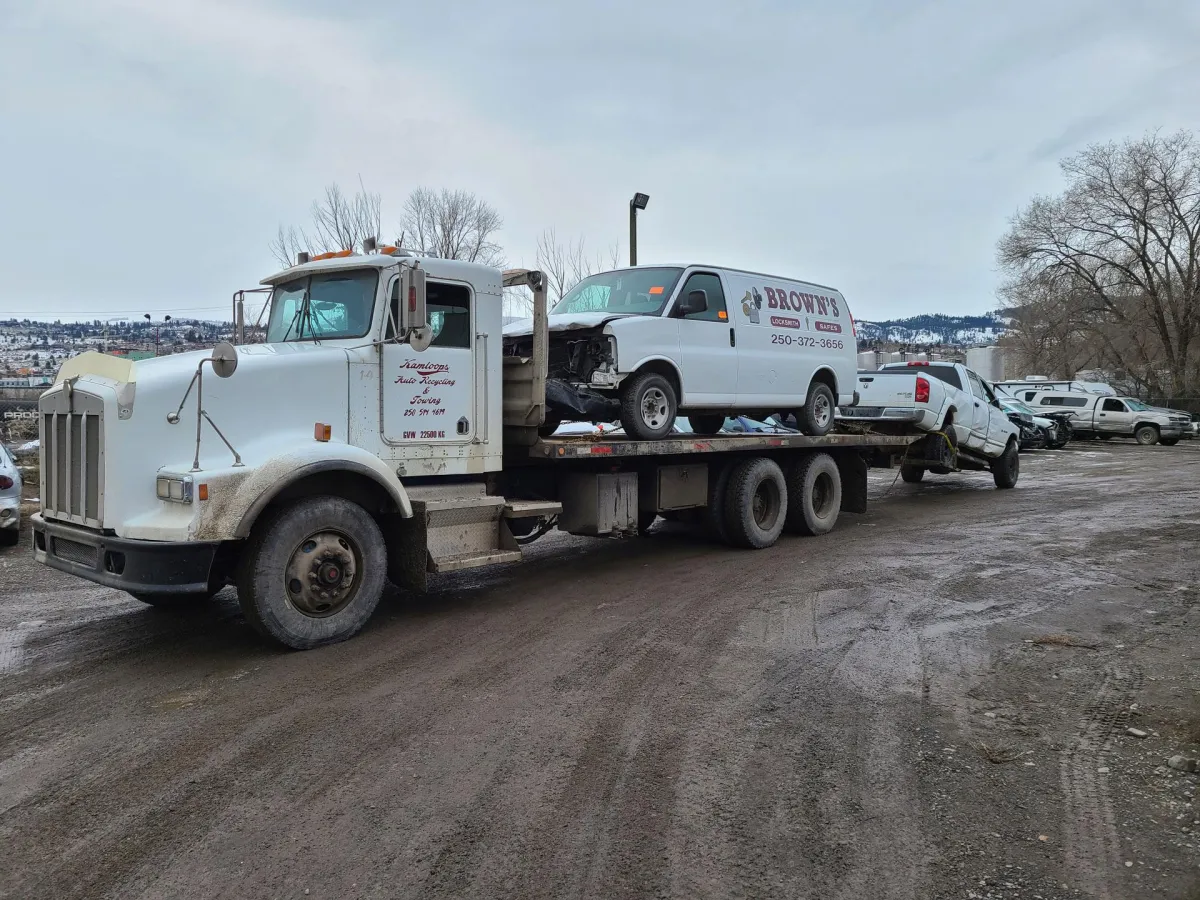
How Is Towing Service Cost Calculated?
Introduction
When you call a tow truck, the price you’re quoted can feel confusing—especially if you’ve never needed towing before. Two people in the same city can get very different towing bills for what seems like a similar problem. That’s because towing service cost is not random, and it’s not based on just one factor.
Towing service cost is calculated using a combination of fixed charges and situational variables. Things like distance, vehicle type, timing, and recovery difficulty all play a role. This article breaks down exactly how towing service cost is calculated, step by step, so you know what goes into the final price and why it changes from one situation to another—especially for drivers in Kamloops, BC.
The Base Hookup Fee: Where Towing Costs Start
Every towing service begins with a base charge, often called a hookup or call-out fee. This is the starting point for how towing service cost is calculated.
The base fee generally covers:
• Dispatching the tow truck
• Travel to your location
• Hooking up or loading the vehicle
This fee exists regardless of how far your vehicle is towed. Even if your car only needs to be moved a short distance, the towing company still has to send a truck, operator, and equipment.
In Kamloops, base fees are structured to account for fuel, labor, insurance, and vehicle maintenance. This is why towing service cost doesn’t start at zero, even for nearby tows.
Distance-Based Charges: How Far the Vehicle Is Towed
After the base hookup fee, distance is one of the biggest factors in towing service cost calculation.
Most towing services calculate distance in one of two ways:
• A flat rate that includes a short distance
• A per-kilometer or per-mile charge after that distance
Short local tows within Kamloops usually fall into the lower end of the pricing range. Long-distance towing, such as moving a vehicle outside city limits or to another town, increases towing service cost proportionally.
Distance-based pricing exists because longer tows require:
• More fuel
• More operator time
• Increased wear on equipment
This is why towing service cost rises steadily the farther your vehicle needs to go.
Vehicle Type: Why Size and Weight Matter
Another major part of how towing service cost is calculated is the type of vehicle being towed.
Different vehicles require different equipment, handling, and safety precautions. For example:
• Passenger cars are usually the least expensive to tow
• SUVs and vans may cost slightly more due to weight
• Trucks, RVs, and commercial vehicles require specialized towing
• Motorcycles need secure transport equipment
Heavier or larger vehicles put more strain on tow trucks and require stronger winches, flatbeds, or heavy-duty rigs. This increases operating costs, which directly affects towing service cost.
In Kamloops, towing companies must be prepared for a wide range of vehicles, from compact cars to work trucks and equipment, which is reflected in how pricing is calculated.
Type of Tow Truck Used
Not all tow trucks are the same, and the type of truck used plays a direct role in towing service cost.
Common towing methods include:
Wheel-lift towing
Often used for standard passenger vehicles. This method is generally more affordable but isn’t suitable for all vehicles.
Flatbed towing
The vehicle is fully loaded onto the truck. This method is safer for many modern vehicles, all-wheel-drive cars, and damaged vehicles. Flatbed towing often increases towing service cost due to equipment and loading time.
Heavy-duty towing
Used for large trucks, buses, or equipment. This requires specialized trucks and trained operators, significantly increasing cost.
The towing service cost is calculated based on which towing method is required to safely transport your vehicle.
Time of Day and Urgency
Timing plays a bigger role in towing service cost calculation than many people expect.
Towing costs often increase during:
• Late-night hours
• Weekends
• Holidays
• Emergency or urgent situations
After-hours towing requires operators to be on call and ready to respond immediately, which increases labor costs. Emergency towing also prioritizes speed over scheduling efficiency, which impacts pricing.
In Kamloops, weather-related emergencies—such as snow or icy conditions—can also affect towing service cost due to increased risk and demand.
Road Conditions and Recovery Complexity
Not all tows are straightforward. Some situations require recovery rather than simple towing, which significantly affects how towing service cost is calculated.
Recovery scenarios may include:
• Vehicles stuck in ditches
• Cars off the roadway
• Vehicles trapped in snow, mud, or gravel
• Accident recovery
These situations require additional equipment, more time, and higher operator skill. Winching, stabilizing a vehicle, or clearing obstacles adds to labor and equipment use, increasing towing service cost.
Simple roadside tows cost less because they require less effort and fewer resources.
Additional Charges That May Apply
Beyond the main towing calculation, there are situations where additional charges may be added.
These can include:
• Vehicle storage fees if the car is kept at a tow yard
• Extended wait time if access to the vehicle is delayed
• Special handling for damaged or locked vehicles
• Extra labor for difficult hookups
These charges aren’t arbitrary—they reflect real time and resources used. Understanding this helps explain why towing service cost may increase after the initial quote in some cases.
How Estimates vs Final Costs Work
Many drivers ask for an estimate before a tow begins. While estimates are helpful, they are based on the information available at the time.
Towing service cost estimates may change if:
• The vehicle condition is different than expected
• Recovery is more complex than described
• Distance or destination changes
• Additional services are required
This doesn’t mean the pricing is unfair—it means the towing service cost is adjusted based on actual work performed.
Clear communication between the driver and the towing service helps minimize surprises.
Why Local Knowledge Affects Towing Cost Efficiency
Local towing companies understand area-specific factors that can influence towing service cost.
In Kamloops, this includes:
• Road layouts and traffic patterns
• Weather-related challenges
• Common accident and breakdown areas
• Access points for parking lots and highways
Local experience can reduce delays, prevent unnecessary mileage, and streamline recovery, which can help keep towing service cost reasonable.
Frequently Asked Questions About Towing Cost Calculation
Is towing service cost calculated per job or per distance?
Most towing services use a base fee plus a distance-based charge after a minimum range.
Why does towing cost more at night?
After-hours towing involves emergency response and on-call labor, which increases cost.
Can towing cost change after the service starts?
Yes, if recovery is more complex or conditions differ from what was initially described.
Is flatbed towing always more expensive?
Not always, but it often costs more due to equipment and loading requirements.
Do all towing companies calculate cost the same way?
Most follow similar principles, but rates and policies can vary by provider.
Final Thoughts on How Towing Service Cost Is Calculated
Towing service cost is calculated using a clear, logical process—starting with a base hookup fee and adjusted by distance, vehicle type, towing method, timing, and recovery complexity. While costs can vary, they reflect the real work and resources required to safely move your vehicle.
For drivers in Kamloops, working with an experienced local provider like Kamloops Auto Recycling Ltd means dealing with a team that understands local conditions and explains towing service cost clearly. Knowing how towing cost is calculated puts you in a better position to make informed decisions when you need help on the road.
